

Some words or topics are uncomfortable to discuss and we try to avoid them whenever possible. Unfortunately, because of long-standing stigma, many feel this way about suicide and don’t know how to discuss the issue or try to avoid it altogether.
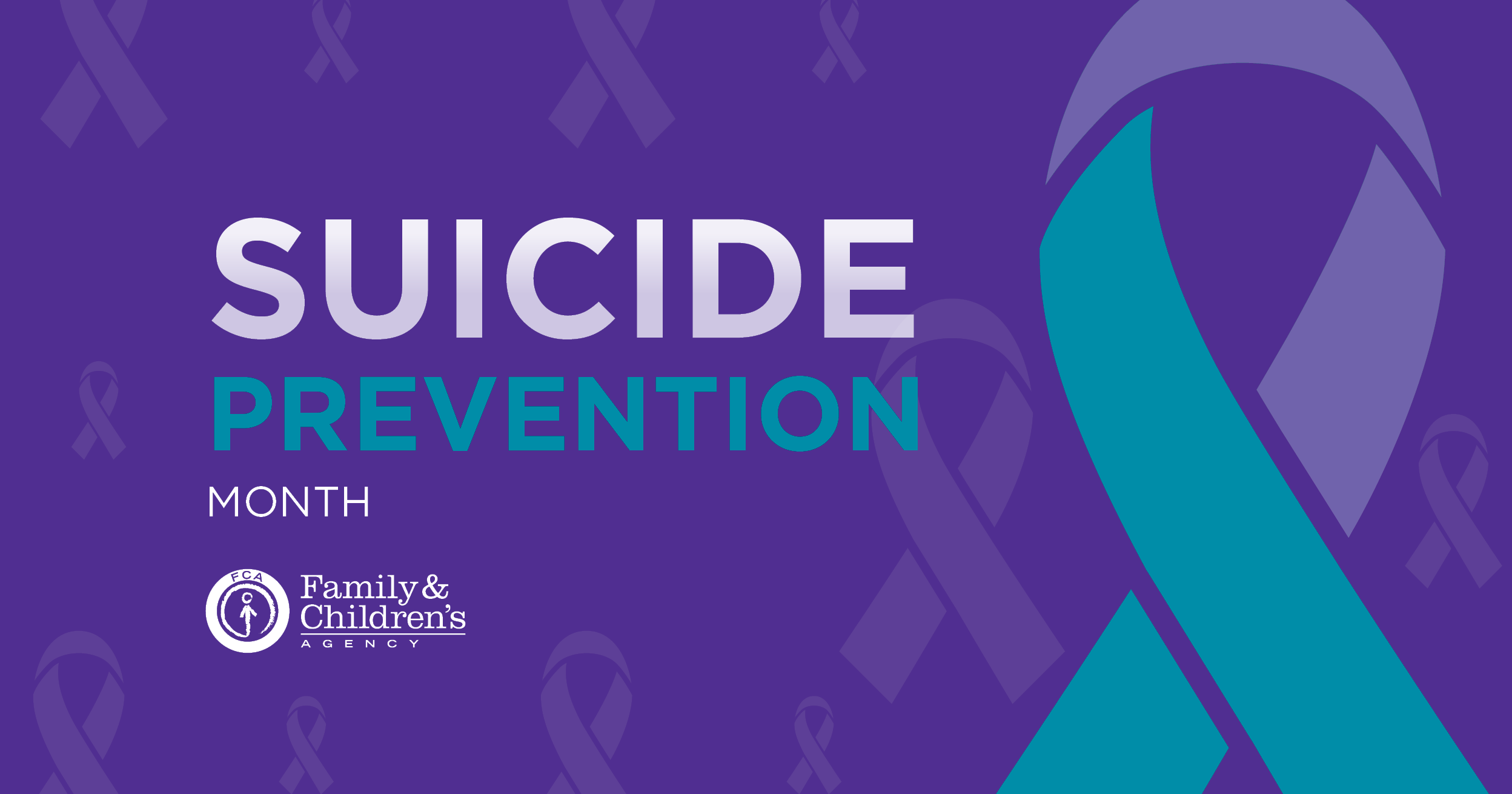
This September during Suicide Prevention Awareness Month, we want to bring awareness to the importance of destigmatizing suicidal thoughts and actions. There is often an assumption that “only” people who are experiencing a mental health disorder have any type of suicidal thoughts when in reality, many people with and without a mental health diagnosis experience passive and/or active suicidal thoughts at some point in their lives. Suicide has become the second leading cause of death in the United States for adolescents and young adults, which should further highlight the importance of both suicide prevention and intervention efforts.
To inform both prevention and intervention efforts, it’s important to learn possible signs and symptoms of suicidal ideation and then, maybe more out of our comfort zone, practice having these difficult conversations. While it can be uncomfortable , if ever faced with someone expressing suicidal ideation, comfortability and rehearsal will go a long way in our intervention with that individual. Suicidal ideation exists whether we ask our loved ones about it or we don’t, and we won’t introduce the idea of suicidal ideation by asking about it. By proactively facilitating these conversations, we support a safe space for those we care about to share what they are experiencing without fear of judgement.
When having these conversations, it’s important to note that passive suicidal ideation is different from active ideation in that the passive form does not include any type of plan of action. Passive suicidal ideation thoughts can vary and include “It would be okay if I didn’t wake up tomorrow morning,” “I wish I wasn’t here anymore,” or “People/things would be better off without me.” While those experiencing passive suicidal ideation do not have intent or a plan of action to end their lives, they do still need support. Support can come in many different forms, from formal therapeutic services to support groups, faith based groups, alternatives to suicide groups, peer supports, the 988 Lifeline, and more. You don’t have to have all the answers or know exactly what to do when a situation arises. It can be incredibly powerful to the individual just to say, “I’m so grateful that you felt safe sharing this with me. I’m not sure exactly what to do but I really want to sit with you and figure it out together.”
If faced with a loved one with active suicidal ideation, which includes a plan, intent, and means to end their life, the best choice is to seek immediate help through calling 211, 911, or bringing them to the emergency room at your local hospital.
This Suicide Prevention Awareness Month, please consider doing some of your own research on suicide interventions and challenge yourself to practice having this conversation with someone you care about. So many people who experience suicidal thoughts don’t openly share them because of fear and stigma, and therefore pull back or isolate themselves even further. By opening the dialogue for these conversations, we can open doors to support people may not have known existed. Locally here in Norwalk, youth survey data shows a decline in reported youth considering or attempting suicide – evidence that prevention efforts are effective. As a community, we can destigmatize suicidal thoughts and actions one person and one conversation at a time and save lives.
Some supports include: